




Today's News
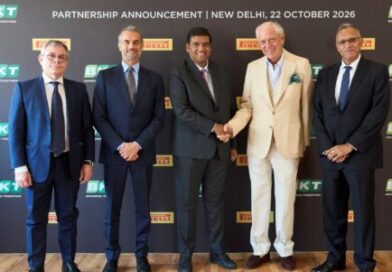
BKT announces strategic agreement for the production of 800,000 Pirelli branded tires
The partnership – which unites Pirelli’s high-end technological leadership with BKT’s local industrial positioning and strong presence – foresees a first phase based on an off-take agreement, through which BKT will produce, in one of its own newly constructed plants equipped with the most advanced technology, up to 800,000 Pirelli branded tires by 2030 with Pirelli’s specific technological and quality standards.
Falken Tires takes two spots in Treadwell’s top 10 tires of 2026
Falken’s Wildpeak A/T4W and Wildpeak R/T earned top spots on Treadwell’s Top 10 Tires of 2026 for Truck and SUV Drivers.
Treadwell, powered by millions of real-world tire mileage and tread depth readings and independent testing at Treadwell Research Park, identified 10 tire models for light truck and SUV drivers that exceed a 70,000-mile median tire lifespan in normal driving conditions.

Lubrizol to exhibit at MD&M Midwest 2026
Lubrizol announced its inaugural exhibition at MD&M Midwest 2026, a premier event for the medical device industry, taking place October 28-29, 2026 at the Minneapolis Convention Center in Minneapolis Minnesota. At Booth 2712 in the Medtech zone, Lubrizol will highlight its renowned portfolio of medical-grade thermoplastic polyurethane (TPU) solutions alongside its differentiated design, development, and contract manufacturing services for medical devices.
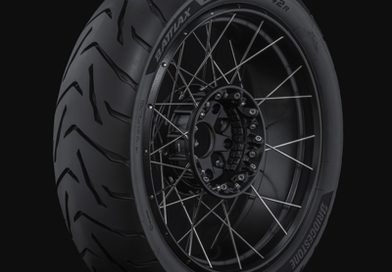
Bridgestone launches Battlax Adventure A42 motorcycle tire
Bridgestone Corporation announced the launch of BATTLAX ADVENTURE A42, an adventure motorcycle tire that will become available sequentially in countries worldwide starting Jan. 1, 2027. Under the concept of “the answer to the road-going adventurers”, the BATTLAX ADVENTURE A42 is designed to deliver an excellent balance of peace of mind, economy and comfort for adventure riders who primarily ride on-road. From city streets to expressways and winding roads, the tire achieves an optimal balance of wet performance and wear life while helping reduce tire noise while riding, supporting comfortable long-distance touring.

Trelleborg acquires US-based Tri-Mack
Trelleborg, Sweden – Trelleborg Group, through its business area Trelleborg Sealing Solutions, has signed an agreement to acquire US-based Tri-Mack

Goodyear to report third quarter November 4th
The Goodyear Tire & Rubber Company will report third quarter 2026 financial results after market close on Wednesday, November 4, followed by a conference call at 8:30 a.m. Eastern time on Thursday, November 5.
The Company will publish its results on November 4, in the form of an Earnings Release and an additional presentation on its investor website: http://investor.goodyear.com. The following morning, the Company will host a conference call.




Featured







Mixing
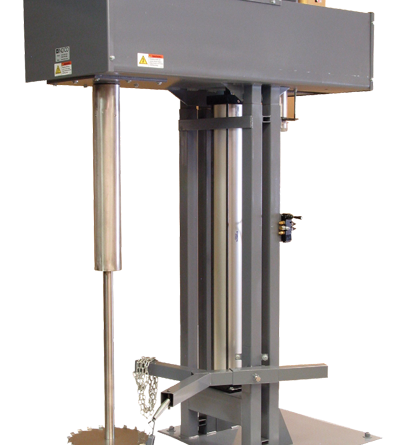
Understanding the difference between high and low shear
Industrial mixing is a crucial process in various industries, including production of rubber formulations, petrochemicals, pharmaceuticals, personal care products and many others. It is also integral to continuous process industries including waste water treatment, fuel and energy production, and mining of metals and minerals.





Chemicals and Materials
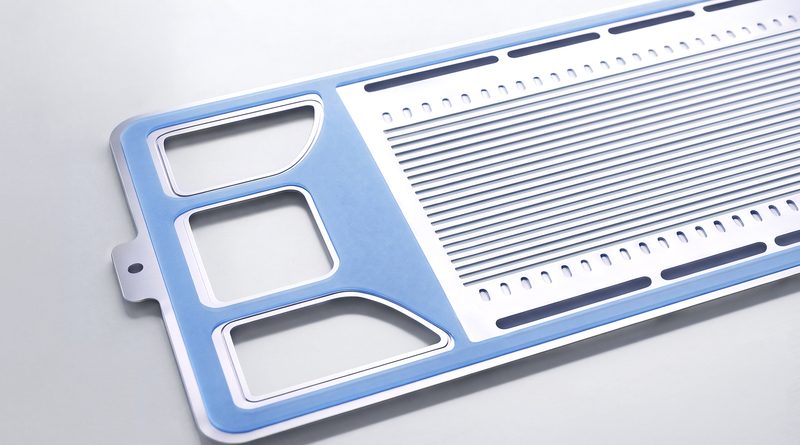
New silicone sealant from Wevo for AEM electrolysers and flow batteries
Ostfildern-Kemnat, Germany – With WEVOSIL 20000 A/B, WEVO-CHEMIE GmbH presents a silicone sealant designed for use in the alkaline environments






Extrusion
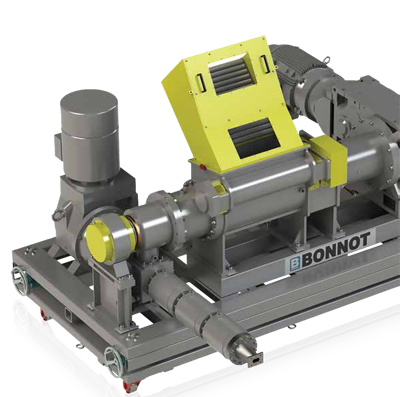
Extruding full rubber bales without a granulator
Walk into most rubber compounding operations today and somewhere upstream of the mixer one will find a granulator. It sits





Silicone & Medical
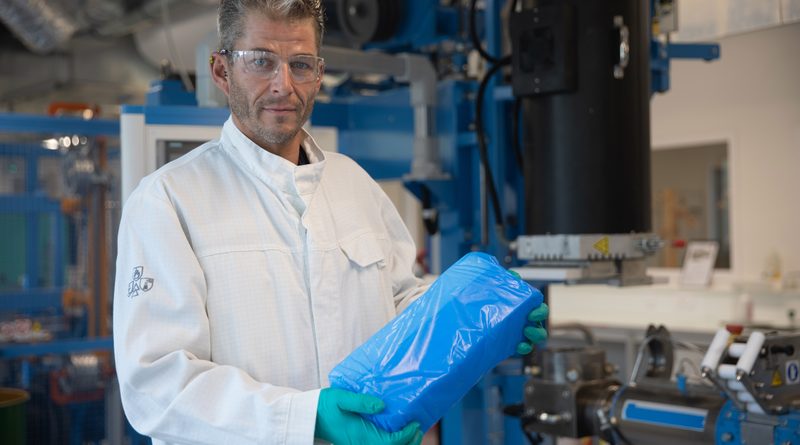
Bluestar Silicones launches the first mechanically recycled silicone
Bluestar Silicones announces the launch of the first mechanically recycled silicone masterbatch in its portfolio to meet technical performance and product quality comparable to conventional materials.
Incorporating 33% mechanically recycled content, this new product, now available for pre-commercial sales, expands Bluestar Silicones’ Sircle™ circular technologies portfolio while supporting the company’s broader sustainability strategy.






Oil, Gas & Energy
Freudenberg Sealing Technologies develops new sealing system for CO2 compressors
Freudenberg Sealing Technologies has developed a new sealing system for busbar sealing in vehicle air-conditioning compressors. This elastomer-based solution withstands test pressures of over 100 bar in leak tests and offers a cost-efficient alternative to conventional glass seals. Designed for CO₂ compressors (R744), it also works well with other refrigerants.




Testing & Instruments
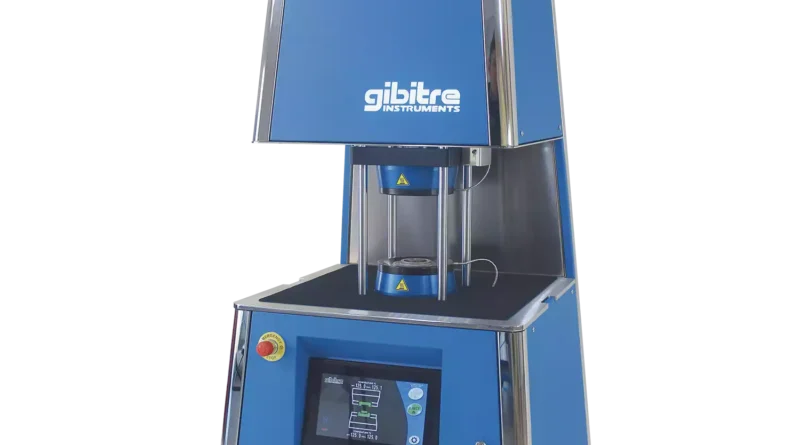
Direct measurement of steady state shear viscosity
by Michele Scacchi and Denis Venturoli, Evercompounds S.p.A., and Mauro Belloni, Gibitre Instruments S.r.l. The Mooney viscometer (MV) was invented



Molding
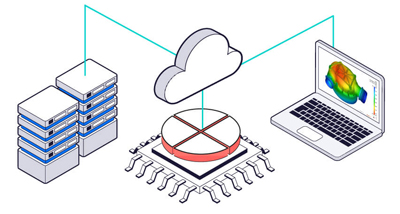
Compression molding simulation: Capabilities, features and industrial case studies
by Harshal Bhogesra, MoldEx3D. The MoldEx3D compression molding module provides a fully coupled simulation environment that replicates the filling, packing,



Thermoplastic Elastomers & Urethanes
Polycarbonate polyols for high-performance PU dispersions
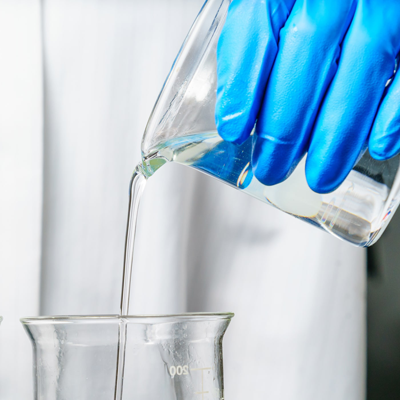
by Yoichi Hirose, Asahe Kasei. Newly developed DK031E and PCDX-249 are designed to address the issues associated with aqueous dispersions of polyurethane (PUDs) offering the potential to reduce solvent usage.



Latex and Natural Rubber

Olam Agri acquisition nearly doubles rubber processing capacity in Ivory Coast
Olam Agri has completed its acquisition of Asia Africa Rubber Industry S.A., adding 176,000 metric tons of annual rubber processing capacity in Ivory Coast as the company moves to expand its natural rubber business and meet growing demand for traceable supplies.
The acquisition nearly doubles Olam Agri’s rubber processing capacity in the West African country and is expected to improve operational efficiency, supply reliability and access to international customers, the company said.